The Fascinating World of Birds
Birds have captivated humanity for centuries, representing beauty, freedom, and the wonders of nature. With over 10,000 species worldwide, they offer endless opportunities for discovery and observation. Birdwatching, a delightful pastime for many, allows enthusiasts to connect with nature while honing their skills in bird identification, particularly when it comes to rare species and conservation efforts.
Birdwatching: A Gateway to Nature
Birdwatching, or birding, is more than just a hobby; it’s an immersive experience that encourages individuals to explore various habitats. From parks and backyards to remote wetlands and forests, birdwatching can happen almost anywhere. Enthusiasts often equip themselves with binoculars, field guides, and notebooks to record their findings. This community-driven activity promotes awareness and appreciation for avian life, inviting people of all ages to participate.
Identifying Rare Bird Species
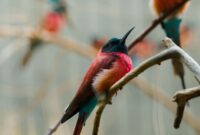
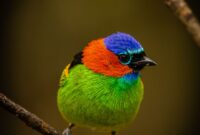
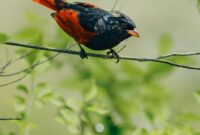
One of the most intriguing aspects of birdwatching is the challenge of identifying different species, especially rare ones. Rare bird species can be defined as those that have low populations, limited ranges, or seasonal appearances. Enthusiasts often feel a sense of accomplishment when spotting a rare bird, and it can become a passionate pursuit.
Identification involves understanding various characteristics such as plumage color, size, song, and behavior. For example, the California Condor is one such rare species, renowned for its impressive wingspan and distinctive feather patterns. Engaging in bird identification sharpens observation skills and deepens the birder’s connection to their environment.
The Role of Technology in Birdwatching
In recent years, technology has enhanced the birdwatching experience. Mobile apps and online databases allow birders to track their sightings, share information, and identify birds through images and sounds. Platforms like eBird, managed by the Cornell Lab of Ornithology, enable users to log their observations and contribute data that assists in avian research and conservation.
Bird Conservation: A Collective Responsibility
As birdwatchers embrace the beauty of avian life, it’s crucial to recognize the threats birds face due to habitat loss, climate change, and human activity. Conservation efforts play a vital role in protecting both common and rare species. Organizations such as the National Audubon Society and BirdLife International focus on protecting habitats, promoting sustainable practices, and raising awareness about the importance of biodiversity.
Engaging in conservation can take many forms, from participating in local clean-up initiatives to supporting bird-friendly policies. Birdwatchers contribute to conservation by documenting sightings and reporting unusual occurrences, aiding researchers in understanding population trends and habitat needs.
Participating in Bird Conservation
Birdwatchers can take several practical steps to aid conservation efforts:
- Join bird conservation organizations: Becoming a member of organizations enhances your knowledge and grants opportunities to participate in local or global projects.
- Engage in citizen science: Contributing data to citizen science projects such as bird counts or migration tracking helps scientists gather crucial information.
- Practice responsible birdwatching: Always respect bird habitats, maintain distance to avoid disturbance, and avoid introducing non-native species that can threaten local populations.
- Advocate for bird-friendly policies: Support legislation that protects birds and their habitats, such as wetland protection and sustainable land-use practices.
Conclusion: The Birds Around Us
Birdwatching opens a window into the rich tapestry of avian life, providing joy, education, and an understanding of the necessity for conservation. By recognizing and appreciating the beauty of rare species and actively involving ourselves in environmental stewardship, we can ensure that future generations enjoy the same wonders that birds provide today. So grab your binoculars, venture outdoors, and explore the captivating world of birds!