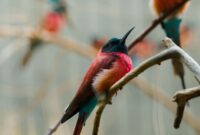
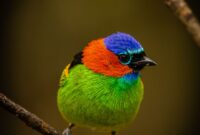
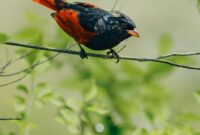
The avian world plays an important role in maintaining healthy ecosystems across the planet. Birds contribute to nature through seed distribution, insect control, pollination, and environmental balance.
However, many bird species are facing increasing threats caused by human activities and environmental changes. Understanding bird conservation and supporting wildlife protection efforts are essential steps toward preserving these remarkable creatures.
Why Birds Matter to Ecosystems
Birds are an important part of many natural systems. They help maintain ecological balance by interacting with plants, insects, and other animals.
For example, many birds spread seeds after eating fruits, allowing new plants to grow in different areas. Some birds control insect populations by feeding on insects that may damage crops or vegetation.
Because birds respond quickly to environmental changes, they are often considered indicators of ecosystem health.
Threats Facing Bird Populations
Many bird species around the world are experiencing population declines. One of the biggest causes is habitat loss.
Urban development, deforestation, and agricultural expansion can destroy important bird habitats. Without suitable environments for feeding and nesting, bird populations struggle to survive.
Climate change also affects birds by changing migration patterns, food availability, and breeding conditions.
Pollution is another serious issue. Plastic waste, chemicals, and contaminated water sources can negatively affect bird health.
Protecting Natural Habitats
Habitat protection is one of the most effective ways to conserve bird species. Forests, wetlands, and coastal environments provide essential resources for birds.
Protected areas such as national parks and wildlife reserves help create safe environments where birds can reproduce and survive.
Restoring damaged habitats is also important. Reforestation projects and wetland conservation programs can improve conditions for many species.
The Importance of Bird Research
Scientific research helps conservation experts understand bird populations and develop effective protection strategies.
Researchers study migration routes, breeding patterns, population numbers, and environmental changes.
Modern technology has improved bird research through GPS tracking, digital databases, and automated monitoring systems.
These tools provide valuable information that supports conservation decisions.
How Communities Can Support Bird Conservation
Everyone can contribute to protecting birds, even without being a professional researcher.
Simple actions include creating bird-friendly gardens, planting native plants, reducing plastic waste, and supporting conservation organizations.
Communities can also participate in bird monitoring programs where volunteers collect information about local species.
Education is another important factor because awareness encourages people to respect and protect wildlife.
Birdwatching as a Conservation Tool
Birdwatching is not only a recreational activity but also a way to support conservation.
Many birdwatchers contribute observations that help scientists understand species distribution and population changes.
Responsible bird tourism can also provide financial support for protected areas and local conservation initiatives.
When managed properly, birdwatching creates a positive relationship between humans and nature.
Exploring Different Bird Habitats
Different environments offer unique birdwatching experiences.
Rainforests are home to colorful and rare species that depend on complex ecosystems. Wetlands attract water birds and migratory species. Mountain regions provide habitats for birds adapted to extreme conditions.
Exploring different habitats allows birdwatchers to understand how species interact with their environments.
Technology and the Future of Bird Conservation
Technology continues to transform wildlife protection. Mobile applications help identify species, while online platforms allow global collaboration between researchers and enthusiasts.
Future developments may include more advanced monitoring systems and artificial intelligence tools that improve conservation efforts.
Technology allows people to better understand birds and respond more effectively to environmental challenges.
Inspiring Future Generations
Teaching younger generations about birds is essential for long-term conservation success.
Children who learn about wildlife often develop stronger environmental awareness and become more likely to protect nature in the future.
Schools, museums, and outdoor education programs can introduce students to birdwatching and conservation principles.
Conclusion
Bird conservation is about protecting more than individual species. It is about maintaining healthy ecosystems and preserving the natural world.
Through research, responsible birdwatching, habitat protection, and community involvement, people can help secure the future of the avian world.
Every effort, whether large or small, contributes to ensuring that birds continue to inspire and support life on Earth.