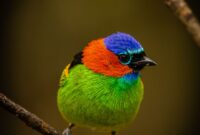
Birds are among the most diverse and fascinating creatures on Earth. With thousands of species living in different environments, the avian world offers endless opportunities for discovery. From colorful tropical birds hidden in rainforests to rare species surviving in isolated habitats, birds represent the incredible diversity of nature.
Birdwatching has become a popular activity for people who want to connect with wildlife, explore natural landscapes, and learn more about the importance of conservation. More than a hobby, birdwatching helps people understand ecosystems and encourages greater awareness of protecting endangered species.
The Fascinating Diversity of Bird Species
The world is home to an extraordinary variety of birds. Each species has unique characteristics, including different colors, behaviors, sounds, and adaptations.
Some birds are famous for their impressive migration journeys, traveling thousands of kilometers between breeding and feeding areas. Others are known for their specialized abilities, such as hunting techniques, complex songs, or unique nesting behaviors.
The diversity of birds reflects the environments where they live. Tropical forests often contain a high number of colorful species, while wetlands provide important habitats for water birds and migratory species.
The Growth of Birdwatching Tourism
Birdwatching tourism has grown significantly as more travelers seek meaningful experiences in nature. Unlike traditional sightseeing, birdwatching encourages visitors to spend time observing wildlife and understanding local ecosystems.
Many destinations around the world attract bird enthusiasts because of their unique species and protected natural areas. National parks, forests, wetlands, and conservation reserves often become popular locations for birdwatching activities.
This type of tourism can also benefit local communities by creating opportunities through eco-tourism services, guides, accommodation, and conservation programs.
Learning Bird Identification Skills
Identifying birds is one of the most rewarding parts of birdwatching. Beginners often start by learning basic features such as size, shape, color patterns, and behavior.
Experienced birdwatchers pay attention to smaller details, including:
- Beak shape and size.
- Feather patterns.
- Flight style.
- Bird calls and songs.
- Habitat preferences.
Modern technology has made bird identification easier. Mobile applications and digital field guides allow enthusiasts to compare observations and learn about different species.
Rare Birds and Their Challenges
Rare birds are among the most exciting discoveries for birdwatchers. However, many rare species face serious challenges due to environmental changes.
Habitat destruction, climate change, pollution, and illegal wildlife trade are some of the biggest threats affecting bird populations.
When forests are removed or wetlands are damaged, birds lose important areas for feeding, nesting, and reproduction.
Protecting rare birds requires cooperation between governments, conservation organizations, researchers, and local communities.
The Role of Conservation Programs
Bird conservation focuses on protecting species and maintaining healthy ecosystems. Conservation efforts include habitat restoration, wildlife protection, scientific research, and public education.
Many organizations work to monitor bird populations and understand changes in migration patterns.
Birdwatchers can contribute to conservation by participating in citizen science projects, reporting observations, and supporting responsible wildlife tourism.
Ethical Birdwatching Practices
Responsible birdwatching is important because wildlife should always be respected. Observers should avoid disturbing birds, especially during nesting periods.
Good birdwatching practices include maintaining a safe distance, avoiding excessive noise, and following local conservation rules.
The goal of birdwatching should be appreciation and learning, not causing stress to animals.
Bird Photography and Wildlife Exploration
Bird photography has become an important part of modern birdwatching culture. Advanced cameras and lenses allow photographers to capture detailed images of birds in their natural environments.
However, ethical photography is essential. Photographers should prioritize the safety of birds instead of disturbing their natural behavior for a better picture.
A successful wildlife photograph represents patience, respect, and understanding of nature.
The Future of Avian Exploration
Technology and conservation awareness will continue shaping the future of birdwatching. Digital platforms allow enthusiasts around the world to share discoveries and knowledge.
Artificial intelligence-based identification tools may also make learning about birds more accessible for beginners.
As more people develop interest in the avian world, birdwatching can become a powerful tool for environmental education and conservation.
Conclusion
Rare birds represent the beauty, complexity, and importance of global biodiversity. Through birdwatching, people can explore nature while developing a deeper understanding of wildlife protection.
By observing birds responsibly and supporting conservation efforts, humans can help preserve the incredible diversity of the avian world for future generations.