Exploring the World of Birds
The vast sky above is not just a canvas of clouds and sunlight; it’s also a vibrant habitat for millions of species of birds. From the melodious calls of songbirds to the majestic flight of raptors, the world of birds is a realm that offers endless intrigue for enthusiasts and nature lovers alike. This article delves into the practice of birdwatching, the identification of rare bird species, and the vital need for conservation in avian populations.
The Joy of Birdwatching
Birdwatching, or birding, is an increasingly popular pastime that invites individuals to engage with nature in a meaningful way. It requires patience, keen observation, and a passion for wildlife. Whether you’re perched quietly in a local park or trekking through an expansive forest, birdwatching allows you to experience the beauty of nature firsthand. A pair of binoculars and a field guide are the essential tools for any budding birdwatcher.
Birdwatching not only enriches our understanding of different species but also fosters a stronger connection to the environment. It’s an activity that can be enjoyed solo or with friends and family, providing a sense of community among enthusiasts. Groups often organize birding trips to various hotspots, contributing to the collective knowledge and enthusiasm for avian life.
Identifying Rare Bird Species
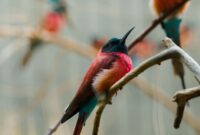
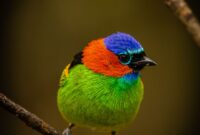
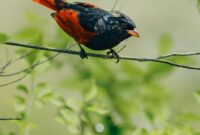
One of the most thrilling aspects of birdwatching is the possibility of encountering rare or endangered species. Rare bird species can pose a challenge for birders, but they also provide an opportunity for deeper learning and appreciation of biodiversity. Identification usually involves observing key features such as size, coloration, behavior, and calls.
To identify a rare bird, a birdwatcher should maintain a keen eye and utilize resources such as field guides or mobile apps designed for bird identification. Photographs taken during observations can also aid in identification later. Some commonly sought-after rare species include the California Condor, Ivory-billed Woodpecker, and Spotted Owl, each of which has unique characteristics that birdwatchers eagerly learn to recognize.
The Importance of Conservation Efforts
As birdwatchers and nature enthusiasts become more aware of the beauty and fragility of avian species, the importance of conservation becomes clear. Many bird populations are under threat due to habitat loss, climate change, and pollution. Conservation efforts are critical to ensuring these species survive and thrive.
Organizations and initiatives focused on avian conservation work tirelessly to protect habitats and conduct research. The establishment of protected areas, advocacy for sustainable practices, and community education programs are all part of the effort to safeguard bird populations. Birdwatchers can actively participate by taking part in citizen science initiatives, which contribute data on bird populations and behaviors, aiding in conservation research.
How You Can Help
As an individual interested in the world of birds, there are several ways you can support conservation efforts. Volunteer with local conservation groups, participate in bird counts, and support legislation that protects natural habitats. Choosing to create bird-friendly spaces in your own yard, such as native plants, bird feeders, and nesting boxes, can also make a big difference.
By safeguarding our feathered friends, we also protect the interconnected ecosystems in which they thrive. The act of birdwatching is not merely a hobby; it’s a means of contributing to a larger cause that impacts our environment.
Conclusion
Birdwatching is more than just a pastime; it’s a gateway to understanding the delicate balance of nature and the role that each species plays within it. Identifying rare bird species enhances this experience while drawing attention to the critical need for conservation. By fostering a love for birds, we can inspire efforts to protect them and ensure that future generations enjoy the same breathtaking experiences that nature offers today.
In exploring the world of birds, we not only discover their wonders but also our own responsibility to protect them for years to come.