Feathered Guardians: The Unseen Impact of Indigenous Peoples in Bird Conservation
When we think of bird conservation efforts, often the focus is on scientific research, wildlife reserves, and international policies. However, one of the least acknowledged yet highly effective forces in bird conservation is the knowledge and practices of indigenous peoples. Defined not just by geographical boundaries but also by cultural heritage, these communities have been stewards of their lands for centuries, utilizing traditional ecological knowledge that plays a vital role in protecting avian biodiversity.
The Harmony of Tradition and Ecology
Indigenous cultures have long been intertwined with the natural world, viewing themselves as part of a greater ecosystem rather than as separate entities. This perspective fosters a deep respect for wildlife and instills sustainable practices that have helped maintain bird populations over generations. From the coastal tribes of the Pacific Northwest, who have nurtured eagle habitats, to the forest-dwelling peoples of the Amazon implementing sustainable hunting practices, indigenous wisdom speaks volumes about coexisting with nature.
Case Study: The Songbird Saviors of the Andes
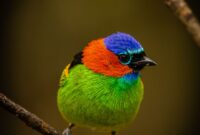
In the Andes Mountains, the indigenous Quechua people have carved a niche as vital bird conservationists. Home to over 1,500 species of birds, the Andean region faces threats like deforestation and climate change. The Quechua utilize traditional agroforestry techniques, incorporating native plants into their farming systems, providing critical habitats for many bird species. Their understanding of the local ecosystem allows them to buffer the impact of agricultural expansion on avian populations.
Combating Poaching Through Cultural Narratives
One of the prominent threats to bird populations worldwide is poaching. In various regions, especially in Southeast Asia and Africa, indigenous tribes have been pivotal in combating this issue. By intertwining cultural narratives that honor birds, these communities cultivate a sense of pride and responsibility towards local wildlife. Education initiatives that employ storytelling around the importance of species such as the Kakapo in New Zealand or the Malaysian Hornbill have empowered younger generations to become advocates for bird conservation.
Restoration Projects: Collaborative Efforts for Success
The intersection of indigenous knowledge and modern conservation efforts has proven successful in various restoration projects. In Australia, the Aboriginal peoples’ land management techniques are being integrated into broader conservation strategies, particularly for endangered species such as the Orange-bellied Parrot. The collaboration combines cultural practices with scientific methodologies, resulting in accelerated recovery rates for bird populations.
Legal Recognition: The Path Forward
For indigenous communities to effectively contribute to bird conservation, legal recognition of their rights is essential. Many indigenous groups are advocating for inclusion in conservation planning and decision-making processes. Policy reforms that enhance the rights of indigenous peoples not only benefit bird species but also promote social equity and environmental justice. By acknowledging these communities as crucial stakeholders, conservation agencies can leverage their expertise and traditional practices for broader ecological success.
A Global Movement Towards Equity and Conservation
As the fight for biodiversity intensifies, recognizing and involving indigenous peoples in bird conservation is not just morally right; it is a necessity. The integration of their voices can help reshape conservation goals to create sustainable models that prioritize ecological health alongside cultural heritage. From grass-roots movements emerging in Latin America to policy changes in North America, there is hope for a future where indigenous communities stand at the forefront of avian conservation.
Conclusion
In a world grappling with rapid environmental changes, the indomitable spirit of indigenous peoples offers vital insights and practices that can renew our approaches to conservation. By understanding their role and supporting their rights, we can foster a more harmonious relationship with nature—one where birds continue to thrive alongside humanity.