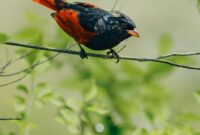
Migratory Stopovers: The Overlooked Sanctuaries for Our Feathered Friends
When we think of bird migration, we often picture vast flocks soaring through the skies, traveling between breeding and wintering grounds. However, the significance of migratory stopovers — the interim locations where birds rest and refuel during their journey — is often overlooked. These transient habitats are vital for the survival of countless species, and understanding their importance may be one of our best strategies for avian conservation.
The Critical Role of Stopover Sites
Birds don’t migrate in a straight line. Instead, they depend on a network of stopover sites that provide adequate food and shelter during their long flights. These locations can be anything from vast wetlands and coastal areas to urban parks and gardens. Within these critical areas, birds can replenish their energy reserves, which is essential especially since some migratory species can travel thousands of miles uninterrupted.
Identifying High-Quality Stopover Habitats
Not all stopover sites are created equal. High-quality stopover habitats provide abundant food sources, such as insects, seeds, and fruits, and they offer refuge from predators and harsh weather. Researchers often classify the efficiency of these habitats based on their capacity to sustain migrating birds. Using both satellite tracking and field studies, conservationists can identify which sites are most beneficial for particular species, guiding ongoing conservation efforts.
Threats to Migratory Stopover Sites
As urbanization and climate change continue to reshape landscapes, migratory stopover habitats face unprecedented threats. Development projects can disrupt these crucial sites, leading to habitat destruction and a decline in food availability. Additionally, pollution and the effects of climate change can further degrade the quality of these environments. For many migratory birds, this means fewer safe havens and increased energy expenditure during their demanding travel schedules.
Sunshine State of Mind: Migratory Birds and Florida’s Coasts
Take Florida, for example. Its extensive coastline serves as a key stopover for migratory birds traveling along the Atlantic Flyway. The delicate balance of coastal ecosystems supports a variety of species during their spring and autumn migrations. As hundreds of shorebirds flock to the state’s rich breeding grounds, the presence of dedicated conservation programs ensures that specific areas remain protected and monitored. Engaging local communities in these initiatives has proven effective in the preservation of these vital habitats.
Community Involvement and the Future of Stopover Conservation
Community involvement plays a crucial role in the protection of migratory stopover sites. Local birdwatching groups and conservation organizations work collaboratively to monitor bird populations and advocate for policies that prioritize habitat preservation. Seminars, workshops, and public events not only raise awareness but also engage individuals in tracking and reporting the presence of migratory birds in their areas. These actions can influence key decision-makers to implement much-needed conservation strategies.
Action Steps for the Conservation of Stopover Sites
To truly make a difference for migratory birds, observers and enthusiasts can take several proactive steps:
- Support Local Conservation Groups: Get involved with or donate to organizations focused on avian conservation.
- Advocate for Bird-Friendly Policies: Inform your community about the importance of preserving natural habitats.
- Participate in Bird Counts: Engaging in citizen science can contribute valuable data on local bird populations.
- Create Bird-Friendly Spaces: Encourage local habitats that provide resources for migratory birds by planting native flora and ensuring water sources are accessible.
Conclusion
As our planet continues to change, protecting migratory stopover sites becomes increasingly crucial for the conservation of birds. Their role as resting and refueling stations during long journeys cannot be overstated. By raising awareness and advocating for these crucial habitats, we contribute to a broader movement aimed at ensuring future generations experience the awe-inspiring phenomena of bird migration. Let’s cherish and safeguard these sanctuaries for our feathered friends.