The Fascinating World of Birds
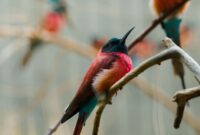
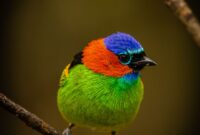
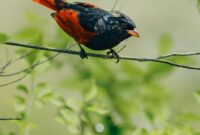
Birds are among the most diverse and captivating creatures on our planet, captivating millions of enthusiasts through birdwatching. From colorful songbirds to majestic birds of prey, the avian world offers an endless array of wonders for those who take the time to observe them. This article delves into the art of birdwatching, the significance of identifying rare bird species, and the urgent need for bird conservation initiatives.
Birdwatching: A Joyful Pursuit
Birdwatching, or birding, is a peaceful yet exhilarating hobby enjoyed by people around the globe. It encourages individuals to step outside, immerse themselves in nature, and appreciate the beauty and complexity of bird life. Whether you’re a beginner or a seasoned ornithologist, birdwatching can be incredibly rewarding. The thrill of spotting a rare bird or simply observing the behaviors of common species can bring joy and a sense of connection to the natural world.
Getting Started with Birdwatching
If you’re new to birdwatching, it’s essential to equip yourself with the right tools. A good pair of binoculars is paramount, as it allows you to observe birds up close without disturbing them. Field guides or bird identification apps can help you recognize various species by their plumage, calls, and behaviors. Joining local birdwatching groups or online communities can also enhance your experience by offering support and shared knowledge.
Identifying Rare Bird Species
One of the key aspects of birdwatching is the identification of bird species, especially rare ones. Rare birds often attract attention due to their limited populations and unique characteristics. The process of identifying these species involves understanding their habitats, behaviors, and distinctive features. Observational skills are vital, as they allow birdwatchers to notice subtle differences in markings, size, and sounds that may indicate a species’ rarity.
How to Identify Rare Birds
- Observe their Habitat: Different bird species occupy varying habitats, from wetlands to forests. Knowing where to find them increases your chances of spotting rare birds.
- Listen for Calls: Bird calls can be an excellent indicator of a species. Taking the time to learn the vocalizations of local birds will help identify them more accurately.
- Note Physical Characteristics: Pay attention to plumage color, beak shape, and size. Some rare species have unique features that set them apart from more common birds.
The Importance of Bird Conservation
As fascinating as birds can be, many species around the world face threats from habitat loss, climate change, and pollution. Bird conservation efforts are essential to protect these species and maintain biodiversity. Organizations and conservationists work tirelessly to create protected areas, restore habitats, and conduct research on bird populations.
Why Conservation Matters
Birds play a crucial role in ecosystems. They serve as pollinators, pest controllers, and indicators of environmental health. The decline of bird populations can signal broader ecological issues that may affect other wildlife and humans. Therefore, protecting birds is not only about saving a single species; it’s about preserving the health of entire ecosystems.
How You Can Help
- Support Conservation Organizations: Consider donating to or volunteering with organizations dedicated to bird conservation.
- Participate in Citizen Science: Engage in bird counts and surveys that contribute to vital data for ongoing research.
- Create Bird-Friendly Spaces: Plant native flora, install bird feeders, and provide water sources in your gardens to create welcoming environments for birds.
Conclusion
The world of birds offers boundless opportunities for learning, exploration, and appreciation. Through birdwatching, we can connect with nature and gain insight into the lives of these remarkable creatures. Identifying rare species not only enhances our birdwatching experience but also highlights the importance of conservation efforts. As we continue to enjoy and study the avian world, let us remember our responsibility to protect their habitats for future generations.