The Symphony of Avian Colors: How Plumage Patterns Influence Bird Behavior and Survival
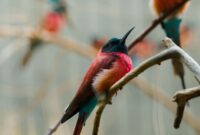
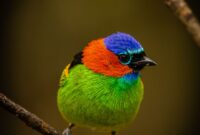
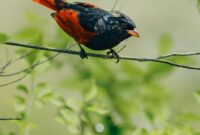
Birds are not just creatures of flight; they are a kaleidoscope of colors and patterns that play significant roles in their daily lives and survival. Plumage, the feathers that cover the body of birds, serves various purposes beyond mere aesthetics. From attracting mates to evading predators, the influence of plumage on bird behavior is an intriguing facet of their existence.
The Role of Plumage in Mating Rituals
One primary function of dazzling plumage is its role in sexual selection among birds. Many species exhibit sexual dimorphism, wherein males and females have distinct appearances. Bright and vibrant colors often signal health and genetic fitness, attracting potential mates. For example, the peacock flaunts its impressive tail feathers in an effort to woo peahens, which prefer mates that exhibit the most extravagant patterns.
Scientific studies reveal that mate selection in birds heavily favors vibrant colors because they indicate an individual’s ability to obtain resources and withstand environmental stressors. As a result, these visual traits are selected across generations, leading to a spectacular display of avian diversity.
Plumage for Camouflage and Protection
While some birds rely on ostentatious plumage to attract partners, others depend on subtle coloration for survival. Many species have evolved feathers that blend seamlessly into their surroundings, providing effective camouflage against predators. For example, the earth-toned colors of the American woodcock help it remain undetectable when resting among fallen leaves and dappled sunlight.
This versatility is essential for many ground-nesting birds and can mean the difference between life and death. The hidden strategies of feather coloration not only contribute to individual survival but also to the success of nesting and raising young in the wild.
Communication Through Colors
Colors are not just for attracting mates; they also serve as crucial communication tools among birds. Many species use plumage patterns as signals to convey information about territory, hierarchy, or distress. Within flocks, subtle changes or flickers of feather color can indicate alarm or the presence of food.
The intricacies of bird song are often complemented by the visual display of color. For instance, when a male cardinal sings to establish territory, his vibrant red feathers contribute not only to his vocal cues but to the visual stake he claims within his habitat.
The Impact of Environmental Changes on Plumage
Modern-day challenges, including climate change and habitat destruction, have begun to affect expected plumage variations among bird populations. Some studies indicate that environmental stressors can lead to changes in feather pigmentation, impacting the birds’ ability to attract mates and defend territories. Furthermore, urbanization has introduced more artificial landscapes, creating additional pressures that complicate these natural processes.
Conservation Efforts Focusing on Plumage Diversity
Recognizing the importance of plumage for avian survival and reproductive success, conservation efforts must encompass the preservation of habitats that support natural feather coloration development. Ecologists advocate for ecosystem interventions that prioritize the balance and health of bird populations in relation to their instincts for display and camouflage.
Moreover, engaging local communities in birdwatching initiatives can raise awareness of the essential role these colors play in ecosystems and encourage actions toward protecting alarming declines in populations caused primarily by human encroachment.
Conclusion
The vibrant world of avian colors and patterns reveals a complex interplay of survival mechanisms that are essential to the behavior and reproductive success of birds. Understanding the implications of plumage in mating rituals, camouflage, and communication not only enriches our knowledge of birdlife but also highlights the vital need for conservation efforts aimed at preserving these magnificent species. In a world that faces relentless change, appreciating the beauty and purpose of bird plumage may inspire both individuals and communities to take part in sustaining avian diversity for generations to come.