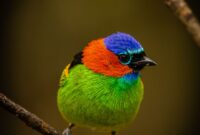
Birds have always captured human imagination through their beauty, intelligence, and remarkable abilities. Across forests, oceans, grasslands, and mountains, birds represent one of the most diverse groups of animals on the planet.
For nature enthusiasts, discovering rare bird species is an unforgettable experience. However, observing these incredible creatures also highlights the importance of protecting their habitats and ensuring their survival.
Understanding Rare Bird Species
Rare birds are species that have limited populations, restricted habitats, or face significant threats from environmental changes.
Some rare birds naturally exist in small geographic areas, while others have become endangered due to human activities. Habitat loss caused by deforestation, urban expansion, and agricultural development remains one of the biggest challenges for bird populations.
Learning about rare birds helps people understand the delicate relationship between wildlife and ecosystems.
The Role of Habitats in Bird Survival
Every bird species depends on specific environmental conditions. Some require dense forests for nesting, while others depend on wetlands, coastal areas, or open grasslands.
When these habitats disappear, birds lose important resources such as food, shelter, and breeding locations.
Protecting natural habitats is therefore one of the most effective ways to conserve bird populations. Conservation areas and national parks provide safe environments where birds can continue to thrive.
Bird Migration and Natural Wonders
Bird migration is one of the most impressive events in the natural world. Millions of birds travel thousands of kilometres each year in search of food, suitable climates, and breeding locations.
Migration requires incredible endurance and navigation abilities. Birds use environmental signals such as sunlight, Earth’s magnetic field, and geographical landmarks to complete their journeys.
Observing migratory birds provides valuable insights into natural cycles and environmental changes.
How Technology Helps Bird Enthusiasts
Technology has transformed the way people explore the avian world. Bird identification applications can recognize species through images or sounds, making birdwatching more accessible.
Digital platforms also allow researchers and enthusiasts to share observations from different regions. This creates valuable databases that help scientists monitor bird populations.
Advanced tracking technology is also used by researchers to study migration routes and understand bird behavior.
Supporting Bird Conservation Through Tourism
Birdwatching tourism has become an important part of eco-tourism. Many travelers visit natural areas specifically to observe unique bird species.
Responsible bird tourism can provide financial support for conservation programs and local communities. When managed properly, tourism encourages protection rather than destruction of natural environments.
Visitors should always follow guidelines when exploring wildlife areas. Respecting animals and minimizing environmental impact are essential principles of responsible tourism.
Creating Bird-Friendly Environments
People do not need to travel far to support bird conservation. Simple actions at home can create safer environments for local species.
Planting native vegetation, providing clean water sources, and avoiding harmful chemicals can attract and support birds in residential areas.
Small conservation efforts from individuals can contribute to larger environmental improvements.
The Connection Between Birds and Human Life
Birds provide many benefits to ecosystems and human societies. They help control pests, support plant growth, and indicate environmental health.
A decline in bird populations can be a warning sign of broader ecological problems. Protecting birds often means protecting the natural systems that humans also depend on.
Encouraging Future Generations to Explore Nature
Introducing children and young people to birdwatching can create lifelong appreciation for wildlife. Educational activities involving birds help develop curiosity and environmental responsibility.
The next generation will play an important role in protecting biodiversity. Knowledge and respect for nature are essential foundations for future conservation efforts.
Conclusion
Rare birds represent the incredible diversity and beauty of the natural world. Through birdwatching, conservation, and responsible exploration, people can develop a deeper connection with nature.
Protecting bird habitats is not only about saving individual species but also about maintaining healthy ecosystems. Every effort, from scientific research to simple daily actions, contributes to preserving the avian world for generations to come.