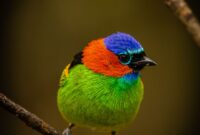
Birds are among the most fascinating creatures on Earth. With thousands of species living across different ecosystems, the avian world offers endless opportunities for exploration and learning. From colorful tropical birds to rare species found in remote environments, birdwatching has become a popular activity for nature lovers, photographers, and conservation enthusiasts.
Birdwatching is more than simply observing birds. It is a way to understand ecosystems, appreciate biodiversity, and support efforts to protect wildlife habitats.
The Beauty and Diversity of the Avian World
Birds exist in almost every environment, including forests, wetlands, mountains, deserts, and coastal regions. Their incredible adaptability has allowed them to develop unique characteristics suited to different habitats.
Some birds are known for their vibrant colors, while others are recognized for their impressive behaviors, songs, or migration patterns. Each species plays an important role in maintaining ecological balance.
Many birds contribute to nature by spreading seeds, controlling insect populations, and supporting plant reproduction. Protecting bird populations also helps protect the wider environment.
Why Birdwatching Has Become Popular
Birdwatching is an activity that can be enjoyed by people of all ages. Unlike many outdoor hobbies, it does not require expensive equipment to begin. A simple pair of binoculars and curiosity about nature are often enough for beginners.
Many people enjoy birdwatching because it provides a peaceful connection with the natural world. Spending time outdoors and observing wildlife can reduce stress while encouraging greater appreciation for the environment.
Birdwatching also combines science and adventure. Enthusiasts often travel to different locations to discover new species and learn about local ecosystems.
Identifying Rare Bird Species
One of the most exciting parts of birdwatching is identifying different species. Bird identification requires attention to details such as size, shape, color patterns, behavior, and habitat.
Experienced birdwatchers often study field guides and use mobile applications that provide information about bird species. These tools help observers compare characteristics and improve their identification skills.
Rare birds can be especially challenging to find because they may live in limited areas or have declining populations. Discovering these species requires patience, knowledge, and respect for natural habitats.
The Importance of Bird Conservation
Many bird species around the world face threats caused by habitat destruction, climate change, pollution, and illegal wildlife trade.
Conservation programs work to protect important habitats and create safer environments for birds to survive. Forest preservation, wetland protection, and responsible tourism are essential parts of these efforts.
Birdwatchers can contribute to conservation by following ethical practices. This includes avoiding disturbing nesting areas, respecting protected zones, and supporting organizations dedicated to wildlife protection.
Bird Photography and Responsible Observation
Bird photography has grown alongside the popularity of birdwatching. Modern cameras and lenses allow photographers to capture incredible images of birds in their natural environments.
However, responsible photography is important. Getting too close, using disturbing sounds, or interfering with natural behavior can harm birds.
The best wildlife photographers prioritize the safety of their subjects. A successful photograph should represent a moment of natural behavior rather than creating stress for the animal.
Famous Birdwatching Destinations
Around the world, many locations are famous for their rich bird diversity. Tropical forests often contain hundreds of unique species, while wetlands attract migratory birds from different continents.
Countries with diverse landscapes provide excellent opportunities for bird enthusiasts. National parks, nature reserves, and protected areas are often among the best places to observe wildlife.
Traveling for birdwatching also supports local communities by encouraging eco-tourism and environmental awareness.
The Future of Birdwatching
Technology continues to improve the birdwatching experience. Mobile applications, online communities, and digital databases help enthusiasts share discoveries and learn from others.
Citizen science projects allow ordinary people to contribute valuable information about bird populations and migration patterns.
As more people become interested in the avian world, birdwatching can play an important role in promoting conservation and protecting biodiversity.
Conclusion
The world of rare birds offers endless opportunities for exploration, education, and appreciation of nature. Birdwatching connects people with wildlife while creating awareness about the importance of conservation.
By observing birds responsibly and supporting habitat protection, everyone can contribute to preserving the beauty and diversity of the avian world for future generations.